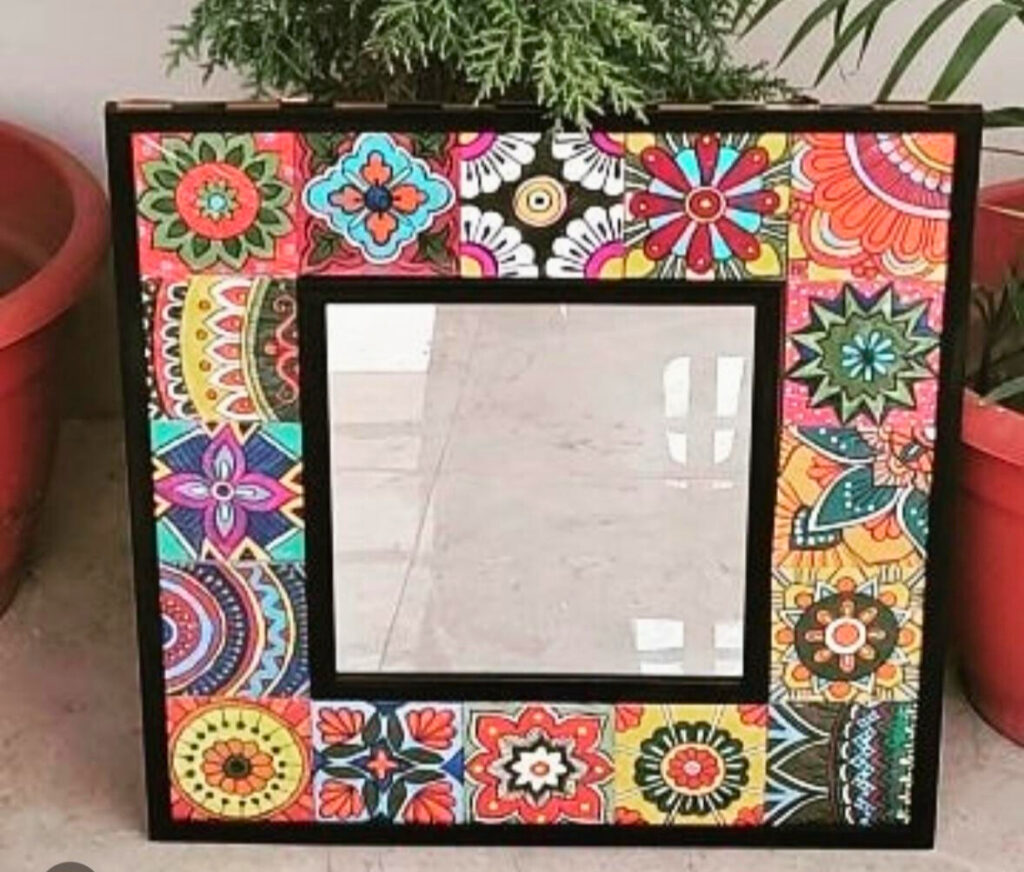
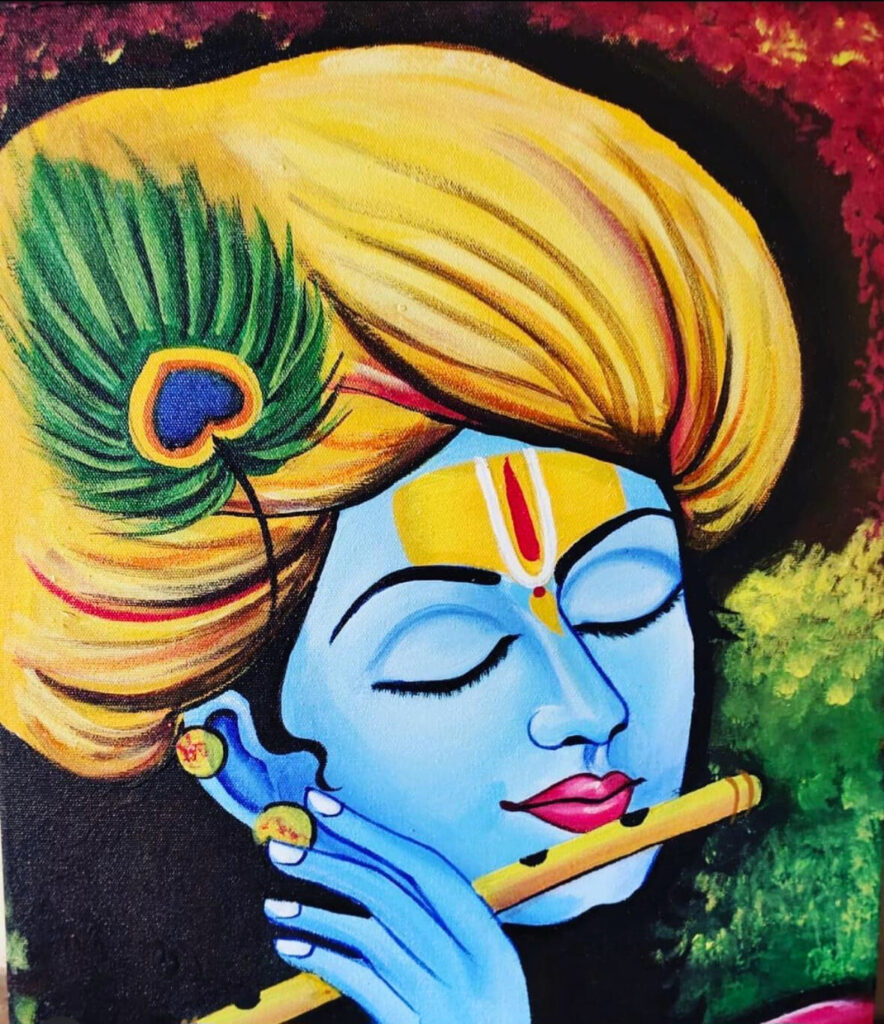
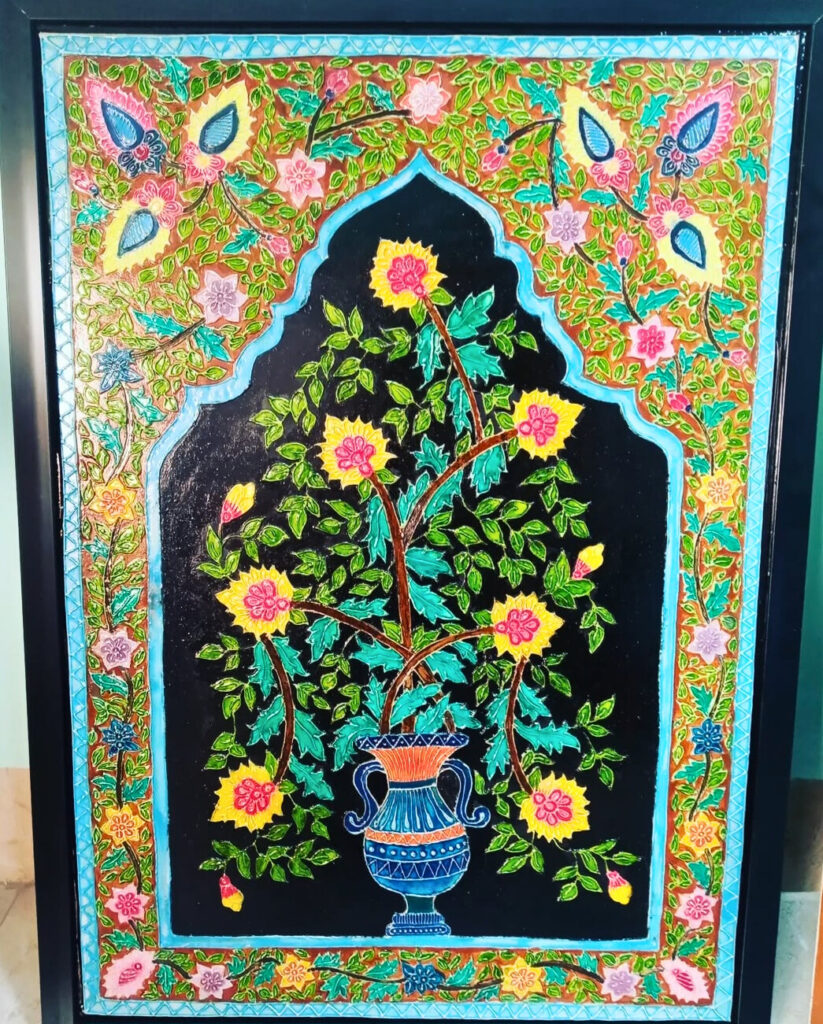
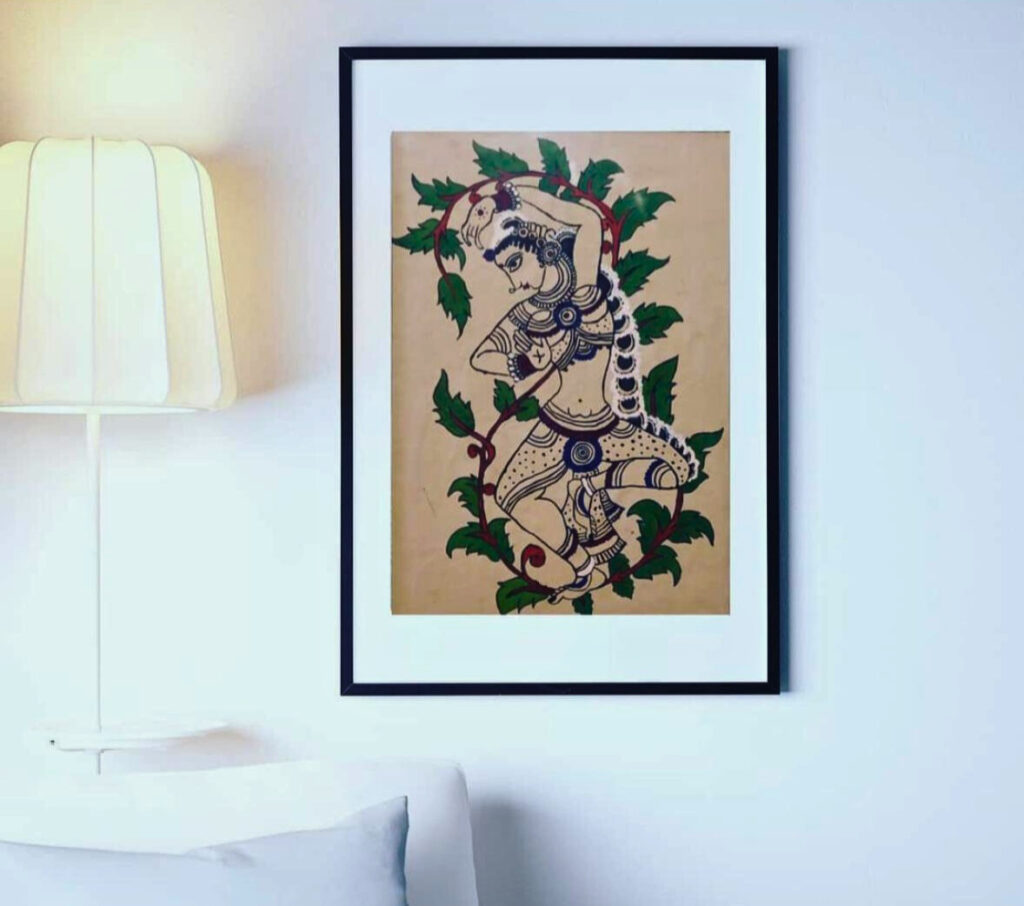
From the mud walls of tribal homes to the bright lights of art galleries, Indian folk art has journeyed through time — carrying stories, symbols, and centuries of tradition. This vibrant art form, once created to celebrate festivals and daily life, now finds pride of place in modern homes and global exhibitions. But how did this transformation happen? Let’s explore the rich and colorful history of Indian folk art.
Indian folk art originated in the heart of rural India, often painted by women on mud walls using natural colors and materials. These art forms — like Madhubani in Bihar, Warli in Maharashtra, or Pattachitra in Odisha — were not just decoration, but a language of prayer, celebration, and storytelling. Passed down through generations, they reflected the community’s life, myths, and connection to nature.
As India modernized, these hidden gems began gaining attention from art lovers, cultural historians, and collectors. NGOs, artists, and government initiatives helped bring folk artists to urban platforms. Now, what was once created on mud walls is being painted on canvas, fabric, and even digital media — sold in galleries, featured in exhibitions, and loved globally.
Why It Matters Today
Folk art is not just a piece of decoration — it’s heritage, storytelling, and sustainability. It reminds us of who we are and where we come from. In an age of fast fashion and mass production, handmade art that reflects centuries-old tradition brings authenticity and soul into our homes.
At IndianFolkArtStudio, we are proud to bring these age-old traditions to modern art lovers. Whether you’re a collector, a curious learner, or someone who loves handmade stories — explore our collection and be part of this living history.